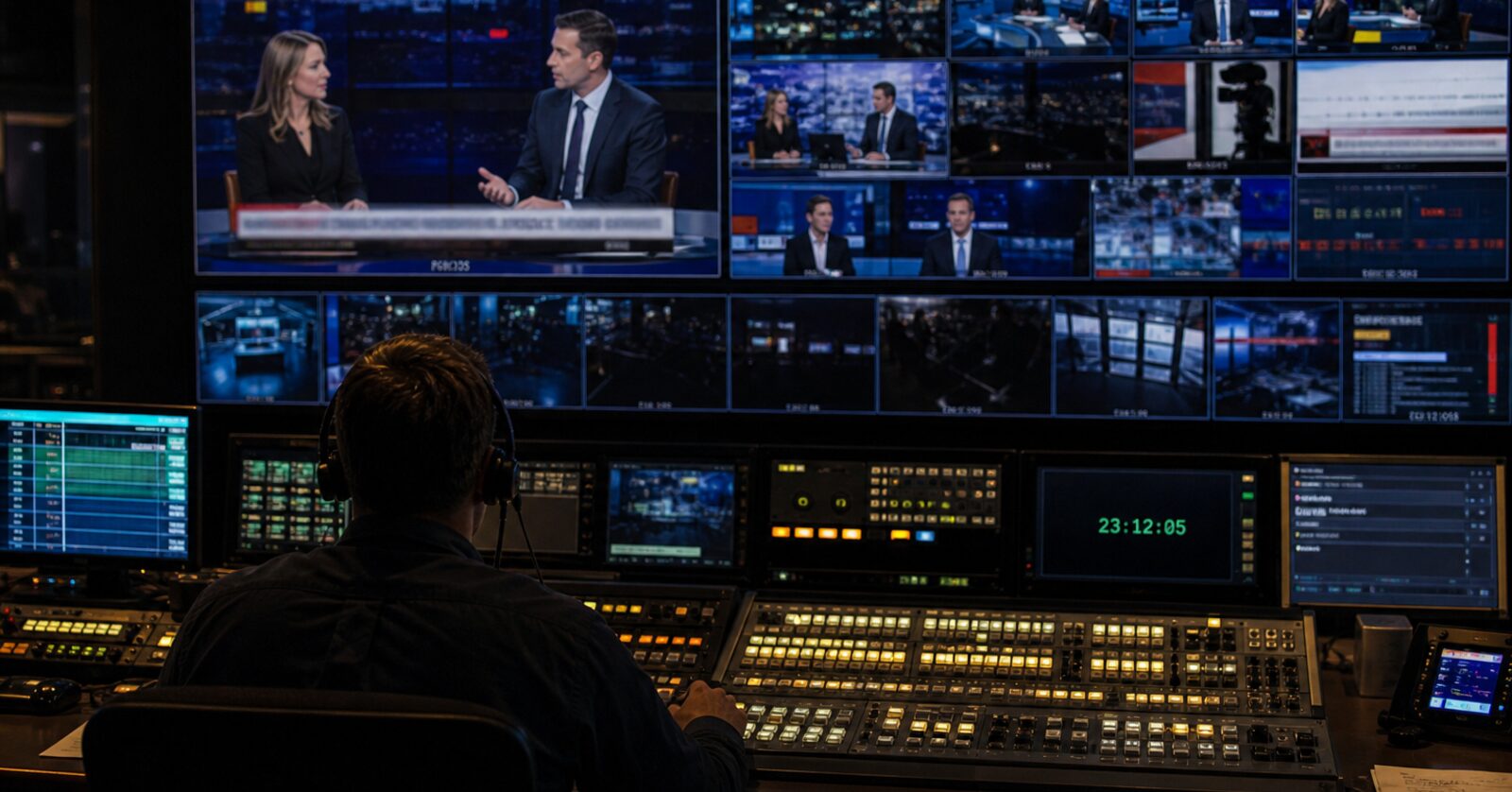

Agentic AI in broadcast: where human approval belongs
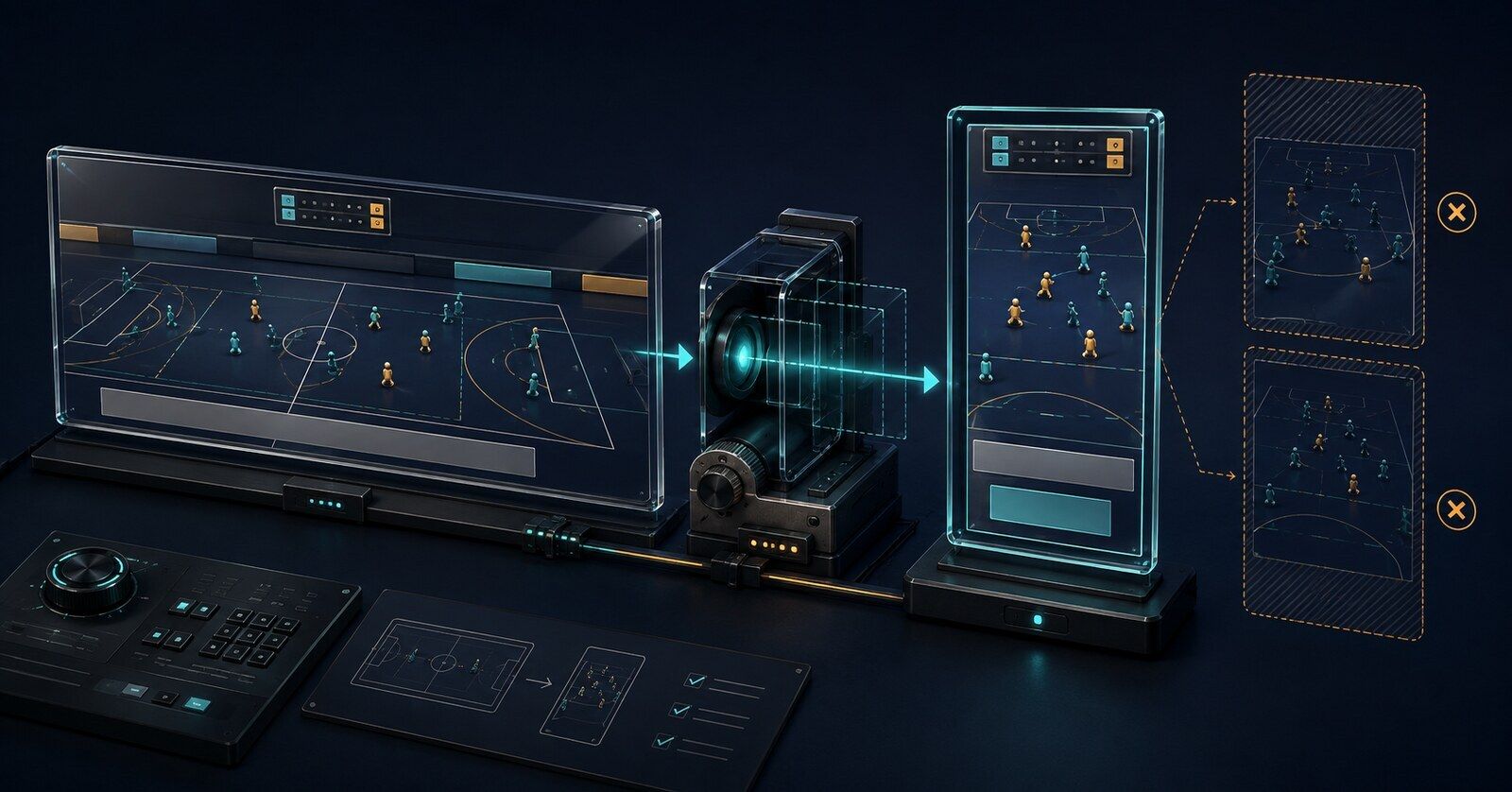
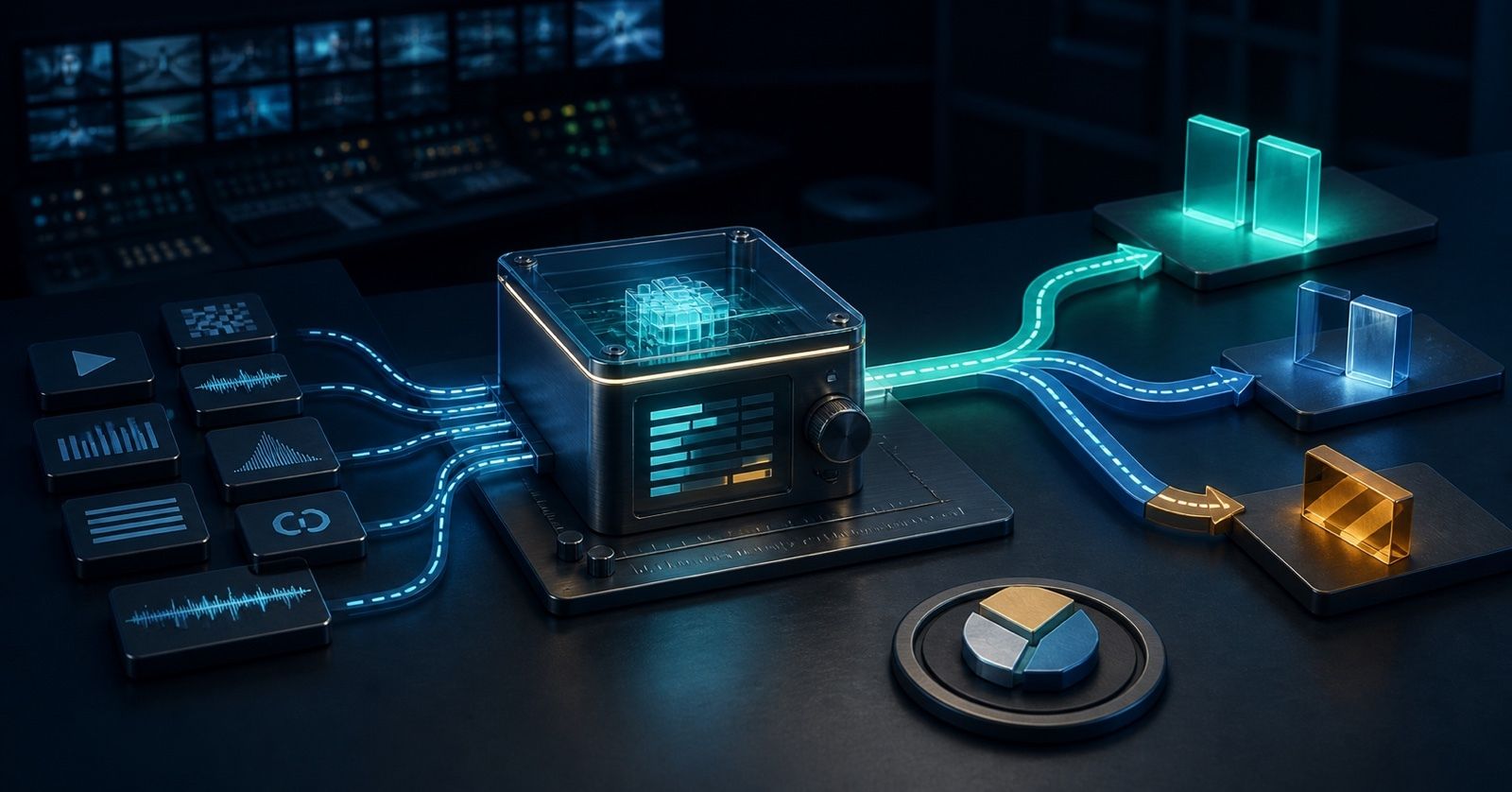
Map agentic AI in broadcast permissions by action, evidence, timeout and rollback so operators know what can run and what still needs human approval.
Kyle Suess
Read the noteMeet Amira Labs at IBC 2026. Hall 1, booth 1.C37k. RAI Amsterdam, 11–14 September.
Field notes
Release notes, workflow teardowns, and field lessons from building Amira Sense for broadcast and streaming teams.
18 notes
Map agentic AI in broadcast permissions by action, evidence, timeout and rollback so operators know what can run and what still needs human approval.
Kyle Suess
Read the note

Build a broadcast AI ROI case with a measured baseline, full-cost model and clear scale, extend or stop gates for an operations pilot.
Kyle Suess

Evaluate AI video search for broadcasters with source checks, timecodes, access controls and an archive test plan that measures usable clips, not demos.
Kyle Suess

Multilingual live sports need more than translation. Check language, meaning, audio tracks, captions, delay and fallback before adding another live output.
Kyle Suess

Evaluate AI broadcast monitoring before you buy. Test wrong feeds, caption errors, alert delays and operator workload with a practical IBC buyer's checklist.
Kyle Suess

Cloud repatriation for media: select workloads, test savings, check exit costs and migrate with production safeguards, acceptance gates and a rollback plan.
Kyle Suess

Small LLMs for the newsroom can draft metadata, summaries and headlines locally. Compare current models, source checks and the pilot metrics that matter.
Kyle Suess

Compare the broadcast inference stack: vLLM, SGLang and TensorRT-LLM under sustained load. Test concurrency, queues and deadlines before approving production.
Kyle Suess

Live caption QC needs more than a valid stream. Check FCC quality standards, caption delay, placement and completeness with practical broadcast tests.
Kyle Suess

Broadcast AI inference placement: compare edge, on-prem clusters and cloud using media bandwidth, live latency budgets, GPU isolation and tested failover.
Kyle Suess

VLMs for broadcast content compliance: compare current models, GPU memory, sampling risks and human-review checks before trusting AI to screen your video.
Kyle Suess

A practical guide to broadcast AI data sovereignty: review content rights, GDPR transfers, API retention, and cloud access before uploading unaired footage.
Kyle Suess

Size NVIDIA GPUs for broadcast AI in 2026 by VRAM, power, media-hour cost and workload, from L4 and RTX PRO to L40S and DGX Spark.
Kyle Suess

Compare Whisper, Parakeet, Canary and Qwen3-ASR for broadcast: WER, streaming, language coverage, GPU needs, timestamps and commercial licenses in 2026.
Kyle Suess

Three caption and AI rules are live. Learn what the EU AI Act, EAA and FCC require and where broadcast caption pipelines carry compliance risk.
Kyle Suess

What the Model Context Protocol is, where it already runs in broadcast, how it relates to MOS and NMOS, and what to ask vendors at IBC 2026.
Kyle Suess

Real 2026 pricing for cloud ASR APIs, what self-hosting on your own GPUs actually costs, and the break-even point where each one wins. With the math shown.
Kyle Suess

MXL is the open-source shared-memory layer beneath the EBU Dynamic Media Facility. What it does, how it differs from ST 2110, and what to expect at IBC 2026.
Amira Labs