
A playout budget can show exactly what a broadcaster saves by dropping overnight support. Ask who can restore the regional feed at 11 p.m. on Sunday, and the answer may be harder to find. A UK audit of BBC savings gives engineering and finance directors a reason to ask both questions at the same meeting.
What the BBC audit found
On November 20, the UK National Audit Office reported that the BBC expected to reach £700 million in recurring annual savings by March 2027, a year ahead of schedule. A separate programme aims to deliver at least £500 million in recurring annual savings by March 2029. The earlier programme funded reinvestment as well as cost reductions. The new programme aims to close a funding gap. Read the NAO report.
The BBC could track progress against its financial targets. What it struggled to establish was the combined effect of its decisions on audiences, service quality and capability. The NAO’s findings and trade coverage of the next savings round put the engineering question in context. Two proposals that look affordable on separate spreadsheets can draw on the same person when a service fails.
Put the proposed saving on the night shift
Consider a hypothetical regional network. Engineering wants to consolidate two playout support contracts. Operations separately proposes moving overnight switching authority to a central desk. Each proposal lists a backup feed as its safeguard. During a rehearsal, the central operator sees the alarm and finds the backup immediately. The switch still waits because only the regional supervisor can authorize an override, and the supervisor now covers both regions.
The telling number is the time between “backup ready” and “operator authorized to switch.” An equipment availability report has no field for it. Run the same interruption under the current staffing plan and the proposed one, using a rehearsal output. Give each shift the permissions and support contacts it would actually have. Record when the fault becomes visible, when someone takes ownership, when the switch happens and when an independent receiver confirms the correct regional programme, sound and captions.
Give finance a decision it can price
If most of the additional delay occurs while somebody seeks permission, price a narrower change: grant the central desk a rehearsed override for that service and retain regional escalation for exceptions. If both regions need the same specialist at once, repeat the drill with overlapping faults before assigning the savings to both budgets. Equally, if the central desk restores both services within their agreed recovery targets, that is evidence in favour of consolidation.
Bring one page to the budget meeting. Name the annual saving, the affected service, the recovery target its owner has agreed to, the longest recovery observed in the rehearsal and who can reverse the change. Record the shift tested alongside the result. A director deciding whether to fund Sunday-night coverage can then see exactly what that line item buys.
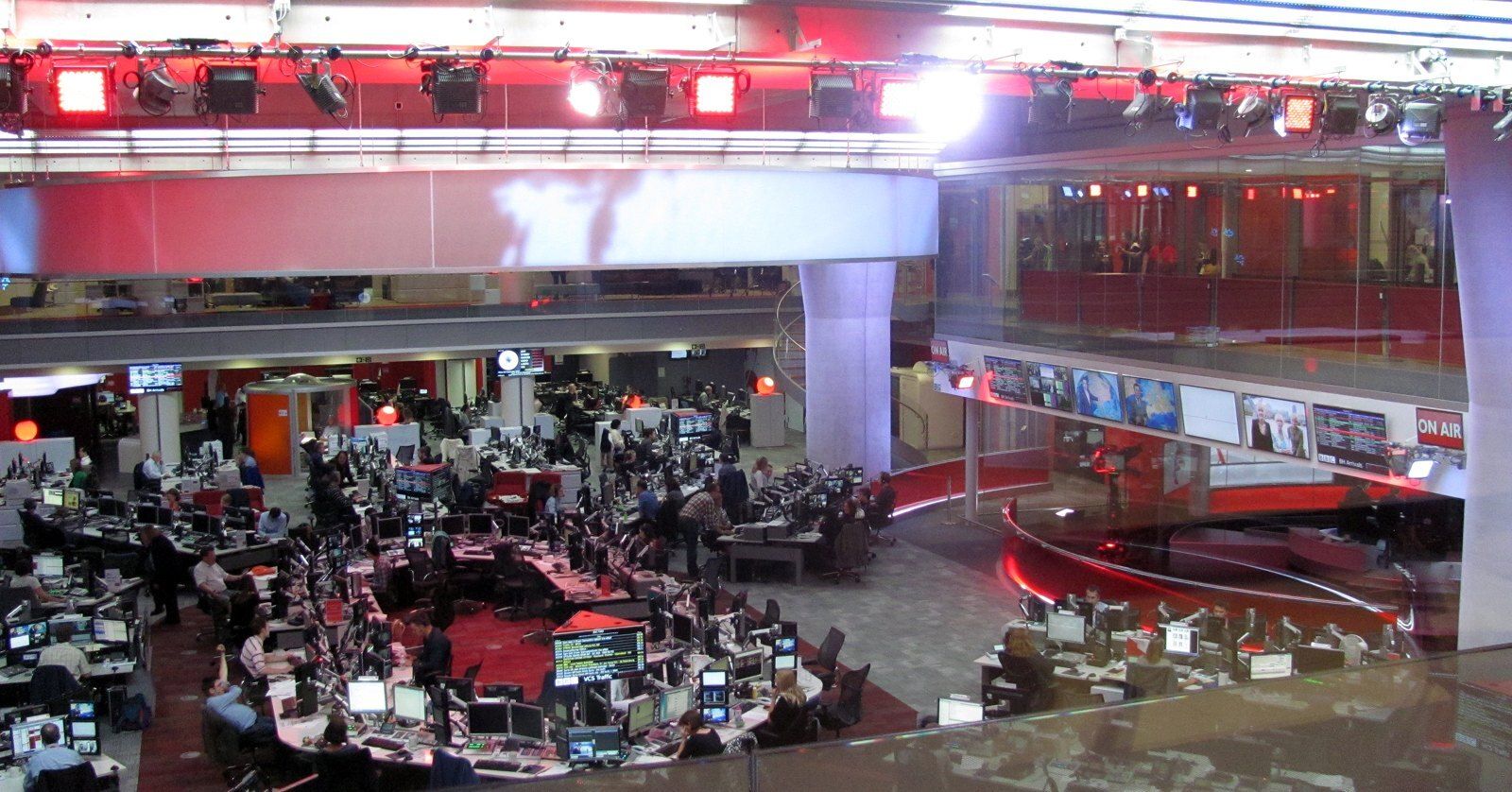
Cover photograph: BBC Broadcasting House newsroom and studio, September 2013, by Michal Bělka. Archival image, cropped and JPEG-encoded. This derivative is licensed under CC BY-SA 4.0.