
Dek: AWS MediaLive's media quality confidence score can identify damaged pictures that a basic stream-up alarm misses, but its scope and underlying metrics matter.
By Kyle Suess | Engineering field note | November 21, 2026
A channel can keep sending packets while viewers see a frozen frame, black picture or replacement slate. For operators, transport continuity is not proof of program quality. AWS Elemental MediaLive's media quality confidence score (MQCS) offers a useful example of the distinction, provided engineers understand where the score exists and what it does not measure.
Why it matters
An availability dashboard may show a running encoder and a healthy destination while the actual picture is wrong. That gap can delay diagnosis, especially when input-loss handling deliberately keeps an output alive.
AWS's MQCS documentation, reviewed November 21, 2026, describes a 0-to-100 quality score for CMAF Ingest output groups delivering to an AWS Elemental MediaPackage channel. It is not a universal score automatically available for every MediaLive HLS, SRT or UDP output.
What the score measures
AWS identifies black frames, frozen frames, inserted fill frames, video-frame drops and reduced speed-versus-quality encoding decisions as conditions that lower MQCS. MediaLive also publishes a minimum score and component metrics in CloudWatch.
The metric definitions matter more than a single dashboard number. A minimum score of zero means at least one monitored encode scored zero, not necessarily that every rendition failed. No datapoints can mean the channel has no eligible output group, not that the picture is healthy.
The documentation history dates the introduction of MQCS guidance to November 22, 2024, and expanded metrics guidance to April 28, 2025. This is an established capability, not a new November 2026 product announcement. See the AWS documentation history.
Six checks for master control
1. Confirm output eligibility. Inventory output groups before adding MQCS alarms. For unsupported paths, use appropriate output and downstream quality probes instead of treating absent MQCS as a pass.
2. Inspect the minimum, then the component. Track MinMQCS by channel, pipeline and output group. Correlate a drop with black, freeze, fill or frame-drop component metrics before assigning the fault to an encoder.
3. Separate legitimate black from a fault. Commercial transitions, intentional fades and program slates can contain valid black frames. Match alarms to schedules and actual decoded output rather than treating every black frame as an outage.
4. Understand replacement content. AWS's input-loss behavior guide explains that MediaLive may repeat the last good frame, then output black and a slate while continuing to encode. That protects stream continuity but does not restore missing live content. Record whether an alarm identifies source loss or the replacement picture.
5. Compare both pipelines and the viewer path. Redundant pipelines can share an upstream fault. Inspect contribution, encoder output, packager and player rendition to establish where the first visible defect appears. Do not assume a clean encoder metric guarantees a clean device playback.
6. Make alarms actionable. Use CloudWatch monitoring for thresholds and notifications, but test persistence windows and missing-data behavior. Include channel, pipeline, component and affected output in the ticket. A bare 'quality low' page is insufficient for a 24/7 operator.
The operational decision
MQCS is best treated as evidence for fault isolation, not as an automatic source-switch command. A single score cannot decide whether black is editorially intentional, whether captions survived packaging or whether a downstream device is rendering correctly.
Before deploying it, ask: Which output groups qualify? What is the baseline during live sports, news transitions and ads? What does missing telemetry mean? Who verifies the viewer path before failover? Those answers turn a quality signal into an operational procedure.
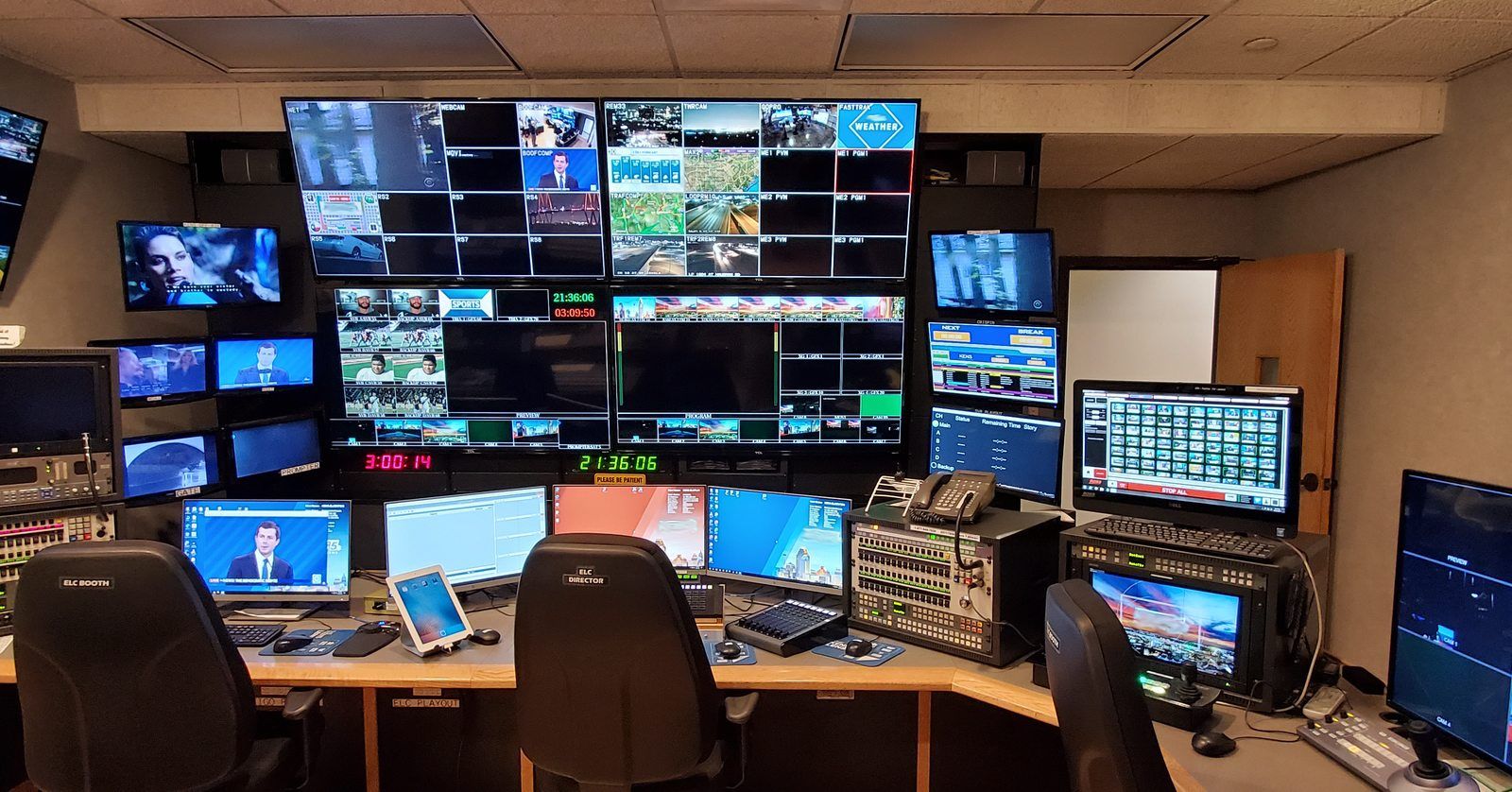
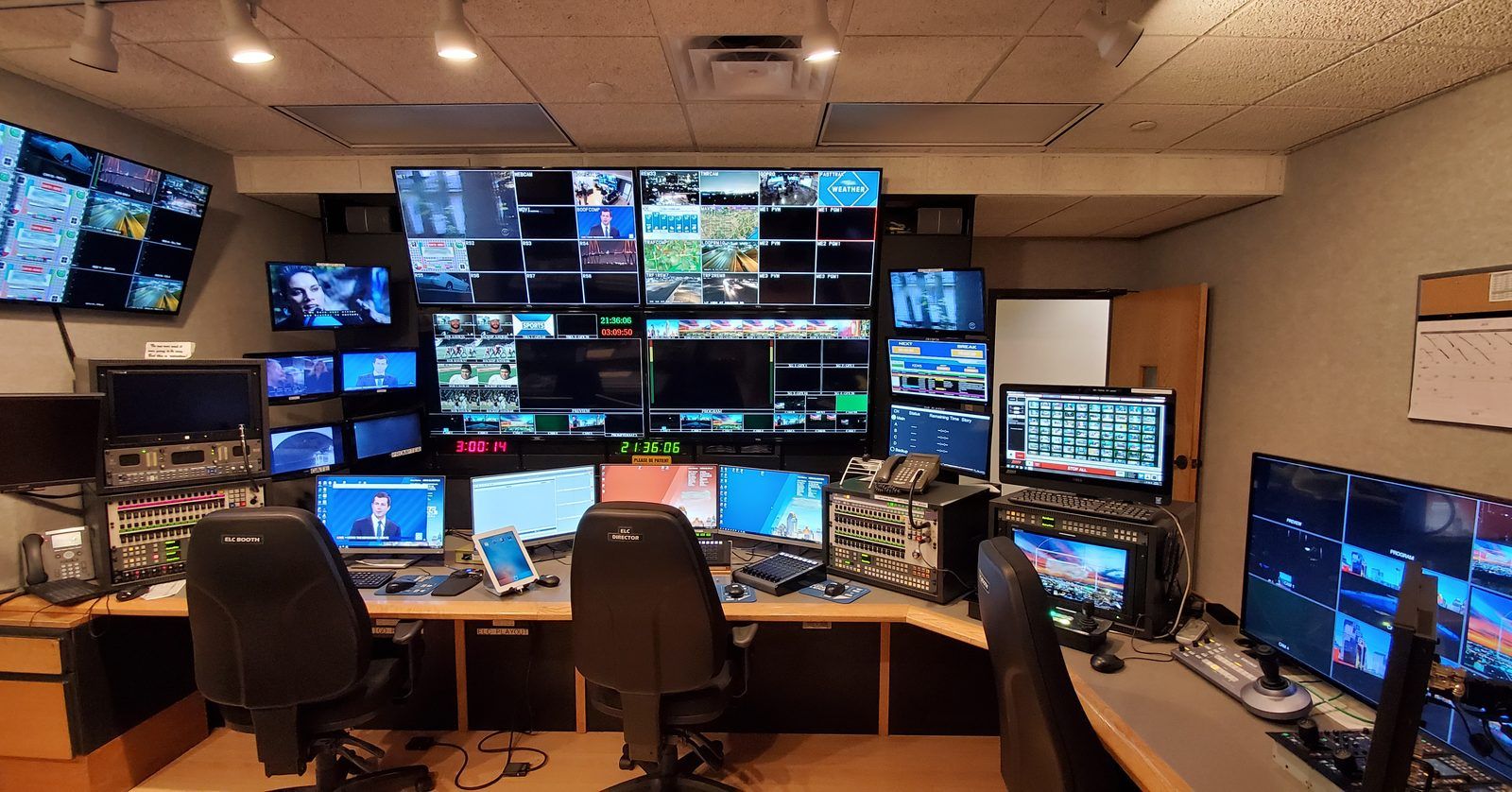
Image credit: Asterzenback, Television News Control Room, CC0 1.0. Archival 2019 photograph for illustration; does not depict AWS MediaLive or a current incident. Intended changes: crop, resize and JPEG recompression.